

The landscape for British Columbia homeowners is shifting rapidly as new data surfaces regarding international trade tensions and central bank policy. Recent reports indicate that the bond market is bracing for a potential hike in interest rates, fueled by concerns over inflation and the looming shadow of a Canada-US trade war. For those looking to secure a home or renew an existing mortgage, understanding the trade war impact on mortgage rates is no longer optional – it is a critical component of your financial planning. As the Federal Reserve prepares to act, BC residents must navigate a complex web of variables that could significantly influence the cost of borrowing for years to come.

Your home goals remain the priority despite economic volatility.
The Bond Market Response and Fed Policy Clarity

Understanding the bond market’s reaction to Fed policy.
Recent developments at major economic symposiums have placed significant pressure on central bank officials. The narrative surrounding the U.S. Federal Reserve has shifted toward a more proactive stance on inflation management. Investors are currently pricing in a higher probability of federal funds rate hikes to bring inflation down to the target 2 percent level. This shift is evident in the bond market, where yields for two-year and ten-year Treasuries have shown notable upward movement.
When the Federal Reserve signals that short-term interest rates are the primary tool for controlling the economy, it creates a ripple effect across global markets. For Canadian lenders, this means that the base cost of capital is rising. Because Canadian mortgage products – particularly fixed mortgages – are heavily influenced by the underlying bond yields in the United States and Canada, any move to tighten the money supply in the U.S. has a direct correlation with the rates offered to BC homeowners. Traders are now looking for policy clarity, and if that clarity points toward higher sustained rates, the ceiling for mortgage costs may rise accordingly.
This sensitivity is heightened by the interconnected nature of our economies. When yields on government bonds rise, it signals a higher demand for safer assets coupled with a lower appetite for risk. For the average BC resident, this translates into a tighter lending environment where the cost of ‘locking in’ a rate becomes a premium paid for certainty in an uncertain world.
How Trade Wars Fuel Inflationary Pressure
While interest rate hikes are often seen as a response to inflation, the causes of that inflation are where the trade war enters the conversation. Recent news regarding tariffs on major Canadian exports – such as vehicles and manufactured goods – highlights a growing tension between our two largest trading partners. When tariffs are imposed, the cost of importing and exporting goods increases. These costs are rarely absorbed by corporations alone; they are typically passed down to the consumer in the form of higher prices for everyday items.
This cycle creates a persistent inflationary pressure that can complicate the job of central bankers. If trade wars lead to higher costs for essential goods, inflation may remain ‘sticky’ or elevated for longer than anticipated. To combat this, the Federal Reserve and the Bank of Canada may be forced to keep interest rates higher for a more extended period. This is where the trade war impact on mortgage rates becomes tangible for the average person. It is not just about a political dispute between nations; it is about the cumulative cost of goods reaching your doorstep and keeping the cost of borrowing high.
Consider the logistical chain. A tariff on steel or aluminum might seem distant, but it influences everything from the construction costs of new developments in the Lower Mainland to the prices of household appliances. When these foundational costs rise, they feed into the Consumer Price Index (CPI). As long as the CPI remains elevated due to trade-related frictions, the primary tool for cooling the economy – high interest rates – will remain on the table.
Understanding the Trade War Impact on Mortgage Rates in BC
Many BC homeowners prefer fixed-rate mortgages because they provide a sense of security in an unpredictable economy. However, fixed rates are often more sensitive to long-term bond yields than variable rates are to short-term fluctuations. As the 10-year and 30-year yields climb due to concerns about long-term inflation and trade stability, the ‘stability’ of a fixed rate begins to come with a higher price tag.
For a buyer in Vancouver or Victoria looking at a high-value property, a jump of even half a percent in the underlying bond yield can translate into tens of thousands of dollars in additional interest over the life of a mortgage. The current atmosphere suggests that we may be entering a period where ‘low’ fixed rates are becoming a thing of the past, replaced by a market that demands a higher premium for certainty. This makes timing your entry into the market or your renewal date more significant than ever before. The trade war impact on mortgage rates is effectively rewriting the rules of affordability for first-time buyers and investors alike.
Furthermore, the volatility introduced by trade disputes can lead to ‘choppy’ markets. Sudden policy shifts or unexpected tariff announcements can cause rapid swings in bond yields. For those with variable-rate mortgages, this means a more frequent need to stress-test their budgets against sudden spikes. Conversely, for fixed-rate seekers, it means that the window of opportunity to secure a favorable rate may shrink faster than historical trends suggested.
Navigating Volatility with BC Best Mortgages Group Ltd.
Information without strategy can lead to paralysis. With so many headlines regarding tariffs, Fed hikes, and bond market swings, it is easy for homeowners to feel overwhelmed. At BC Best Mortgages Group Ltd., we specialize in cutting through the noise to provide a clear path forward. We don’t just look at today’s rates; we analyze the macroeconomic trends – like the current trade tensions – to determine how they will affect your specific financial goals.
Our approach involves looking at the total picture: your current debt obligations, your long-term lifestyle goals, and the projected trajectory of the Canadian mortgage market. Whether you are facing a renewal cliff in 2026 or are just beginning to explore the BC real estate market, we provide the expertise needed to mitigate risk. We help you decide when to lock in a rate, when to remain flexible, and how to structure your mortgage to withstand the pressures of an evolving trade landscape.
The current economic climate is complex, but you do not have to navigate it alone. By understanding the mechanics behind the headlines, you can make informed decisions that protect your home and your future. If you want to understand how these recent shifts specifically impact your household budget, let’s develop a customized plan together.
Contact us today or schedule a free call. We will take the time to review your unique situation and provide a clear, professional roadmap for navigating the current mortgage market with confidence.
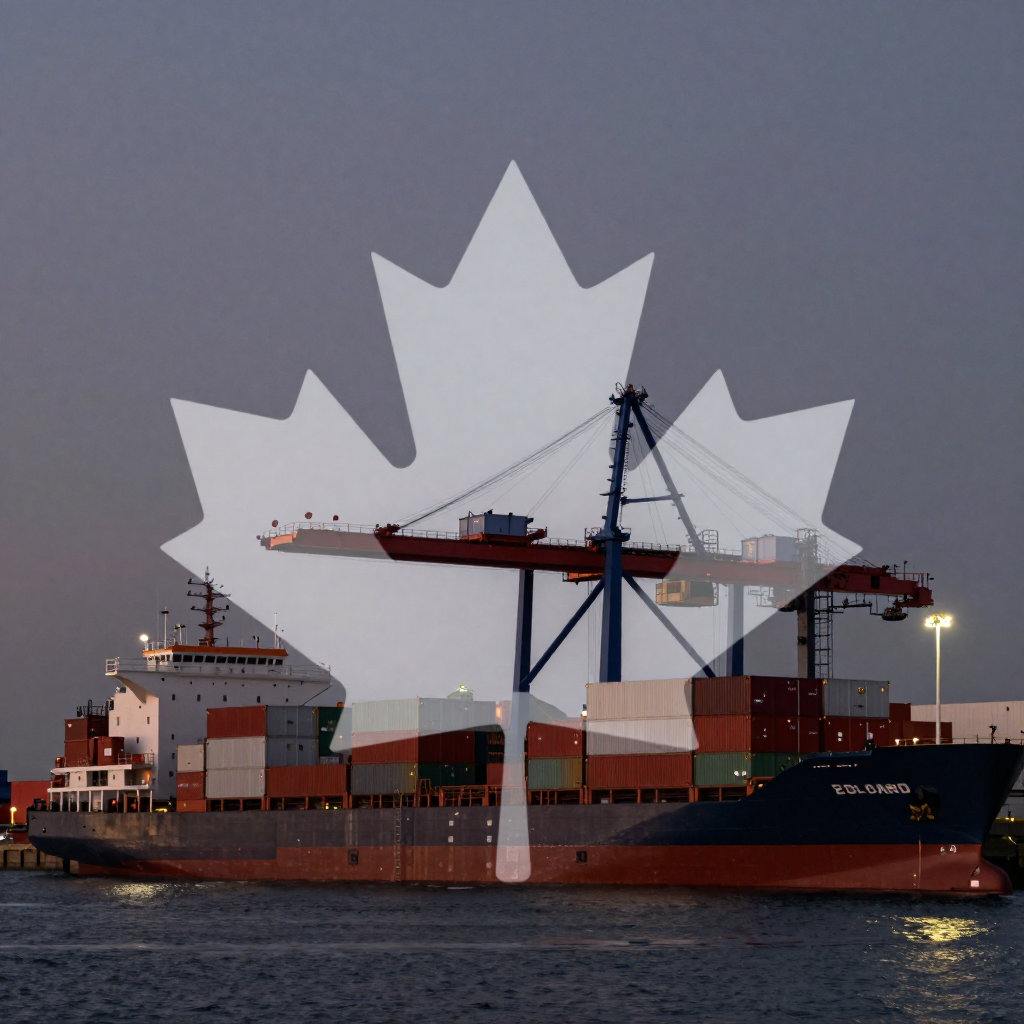
The link between international trade and local mortgage costs.